
Yes, tracer wire is used in horizontal directional drilling (HDD) to help locate non-metallic underground pipes and conduits. Attaching a tracer wire alongside the pipe allows crews to trace and locate the buried utility years later, preventing accidental damage during future excavation.
Tracer wire is needed in HDD since most pipes installed via HDD are non-metallic such as HDPE, PVC, or Polyethylene which do not conduct electricity or respond to standard utility-locating devices.
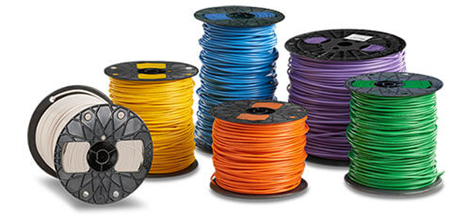
CAUTION: Boshart Industries is not qualified to say whether our TWU tracer wire is suitable and / or strong enough in all horizontal directional drilling applications, soft copper could potentially stretch or break. Therefore, it is recommended that the system designer/end user reach out to an expert in this field for advice and request assistance in selecting an appropriate/approved product. Unfortunately, the use of white TWU wire may not be permitted by code!
Special Considerations for Selecting Tracer Wire for Directional Drilling
- High-Strength Wire: Standard soft copper wire will often stretch, snap, or tear under the high pulling forces, friction, and bending involved when drawing a pipe through an HDD bore hole.
- Copper-Clad Steel (CCS): Installers typically use Extra High-Strength (EHS) or High-Strength Copper-Clad Steel Tracer Wire with a tough high-density polyethylene (HMWPE/HDPE) insulation. This material is significantly stronger than standard copper and resists abrasion, crushing, and moisture during the pull.
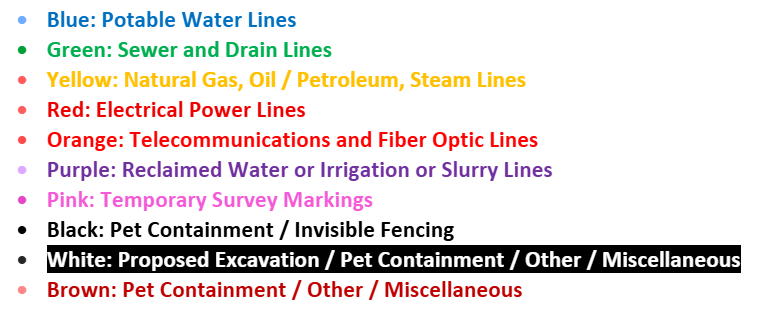
- Color Coding: Code stipulates color-coding for “Tracer Wire” based on the application. Tracer wires are color-coded based on the American Public Works Association (APWA) standards to identify specific underground utilities. Available in copper-clad steel (CCS) or bare copper, the colored jackets prevent accidental excavation strikes.
WARNING: See the Boshart User Safety Responsibility stating that a product must not be used outside its intended purpose, and it is the sole responsibility of the System Designer and Authority Having Jurisdiction (AHJ) over the project to ensure the selected product meets or exceeds all the applicable National and Local Building and Electrical Codes.